W1T rubbish clearance tips for small Fitzrovia studios
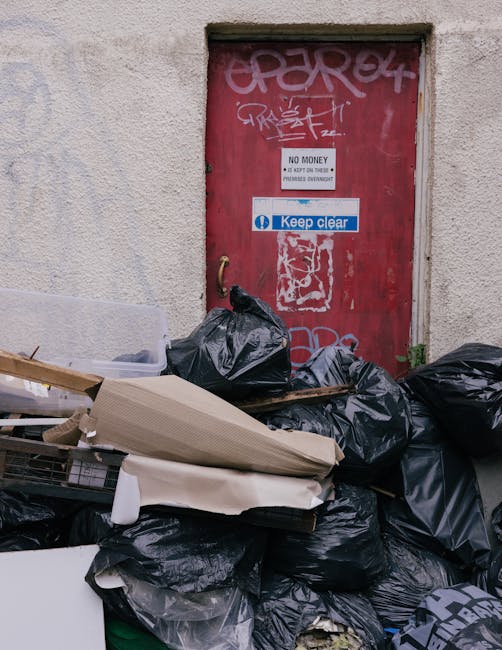
Small studios in Fitzrovia can feel tidy one minute and completely overwhelmed the next. A couple of delivery boxes by the door, a chair you mean to repair, a broken fan, a bag of mixed recycling, and suddenly the whole place feels smaller than it is. If you live or work in W1T, that squeeze is probably familiar. The good news is that smart W1T rubbish clearance tips for small Fitzrovia studios are less about brute force and more about planning, sorting, and using space properly.
This guide is built for compact London living. It covers how rubbish clearance works in a small studio, what to keep, what to remove first, how to avoid common mistakes, and how to make the process feel manageable rather than chaotic. You will also find a practical checklist, a real-world example, and a few straightforward ways to decide when a professional service makes more sense than another weekend spent lifting and shuffling things around. Let's face it, in a studio every square foot matters.
Why W1T rubbish clearance tips for small Fitzrovia studios matters
Fitzrovia studios are often compact, multi-use spaces. Your bed, desk, wardrobe, and storage all compete for the same little patch of floor. So rubbish does not just look untidy; it changes how the space works. A couple of unused items can block cupboards, make cleaning awkward, and turn "home" into a constant obstacle course.
That matters even more in W1T because many studios sit in busy streets, shared buildings, or older conversions where access is tight and lift space is limited. One large item can be awkward enough. Three or four? Suddenly it becomes a logistics job.
There is also the simple mental side of it. Clutter has a habit of hanging around in small spaces. You see it every morning. You step over it every evening. Before long, the studio starts feeling temporary, even when it is your proper home. A clear-out can change that quickly. A room breathes differently when the floor is visible again.
From an SEO point of view, people searching for this topic usually want practical answers, but the real intent is broader: how to clear rubbish without damaging the flat, annoying neighbours, or spending all day on it. That is the angle here.
Key takeaway: In a small Fitzrovia studio, rubbish clearance is really about reclaiming usable space, reducing stress, and choosing the right removal method for tight access and limited storage.
How W1T rubbish clearance tips for small Fitzrovia studios works
The process is usually simpler than people expect, but in a small property the order matters. Start with a clear plan rather than dragging everything into the hallway and hoping for the best. That rarely ends well.
In practical terms, rubbish clearance usually follows four stages:
- Identify what needs to go. Separate rubbish, recycling, bulky waste, reusable items, and anything that may need special handling.
- Sort by size and type. Small bagged waste, cardboard, broken furniture, appliances, and anything hazardous should not all be handled the same way.
- Choose the removal method. Some loads are fine for a skip, some need man-and-van style collection, and some are better handled through specialist disposal.
- Load safely and clear access. In a studio, this usually means planning the route to the door, protecting walls, and avoiding last-minute lifts through a narrow stairwell.
The best results come when you work from the furthest point in the studio back toward the exit. That keeps the room usable for as long as possible. It also stops you from creating a single mountain of mixed rubbish in the middle of the floor. Handy? Very.
If you are using a professional service, it helps to know which items are likely to be classed as standard waste and which items need special handling. For example, appliance disposal, sofa removal, and hazardous items can all involve different handling expectations. Pages such as fridge and appliance removal, mattress and sofa disposal, and hazardous waste disposal are useful reference points when a small studio clear-out includes awkward items.
Key benefits and practical advantages
There is more to good rubbish clearance than just getting rid of things. In a small Fitzrovia studio, the payoff is immediate and visible.
- More floor space. This is the big one. Even one cleared corner can make a studio feel calmer.
- Easier cleaning. Fewer objects means fewer dust traps. Dust under a bed or behind a desk is not exactly glamorous, but it adds up.
- Better organisation. Once the junk goes, it is easier to see what storage you actually need.
- Lower moving-day stress. If you are due a tenancy change, a tidy-out at the right time can save a lot of last-minute panic.
- Reduced lifting and strain. Bulky items in tight corridors are where people tend to twist, bang knuckles, or scratch paintwork. Not fun.
- Less neighbour disruption. Fast, well-planned removal usually means less time in shared halls and less noise.
There is also the practical benefit of decision-making. A clear studio makes it much easier to judge what you genuinely use. That broken lamp you were "definitely going to fix"? Sometimes seeing it go is the relief.
If you want a more structured service overview while planning a bigger clear-out, the site's waste removal and flat clearance pages can help you understand the broader service options available for compact homes and mixed waste.
Who this is for and when it makes sense
This kind of guidance is useful for anyone living or working in a small W1T studio, but a few situations come up more often than others.
- Tenants preparing for check-out. You need to remove leftover rubbish, worn items, and anything the landlord may flag.
- New residents settling in. Moving into a studio sometimes means dealing with items left behind by the previous occupier or old clutter that has been ignored for ages.
- Remote workers in studio flats. If home and office share the same room, discarded packaging, broken tech, and paper waste can build up quickly.
- People replacing furniture. A new chair, bed base, or desk usually means the old one has to leave first.
- Busy professionals who simply do not have the time. Truth be told, many people can do the job themselves, but not everyone wants to spend a Saturday carrying rubbish in and out of a building.
It makes sense whenever clutter starts interfering with everyday use. If you have to move three things to reach one cupboard, that is probably your sign. If the front half of the studio is becoming storage and the back half is the only place you can stand comfortably, that is another.
And if the clear-out includes business-related waste, such as paper records, office furniture, or surplus stock, a more suitable route may be business waste removal or even office clearance if the space functions partly like a work unit.
Step-by-step guidance
Here is a simple approach that works well in small studios. No drama, no overcomplication.
1. Walk the room slowly and identify the load
Start by looking at everything with fresh eyes. Make three groups: keep, clear, and unsure. If something is "unsure," put it to one side for now. Do not let uncertainty stall the whole job.
A good rule is to ask: have I used this in the last six months, and would I buy it again today? If the answer is no, it may be ready to go.
2. Separate items by disposal type
Sort waste into manageable categories:
- General rubbish
- Cardboard and packaging
- Reusable items
- Bulky furniture
- Small electricals
- Hazardous or sensitive items
Why bother? Because mixed waste is slower, messier, and more expensive to handle. A tidy separation also makes it easier to reuse or recycle where possible. If sustainability matters to you, the site's recycling and sustainability page is a useful companion read.
3. Clear the easy stuff first
Begin with lightweight, low-risk items: empty boxes, old mail, packaging, broken hangers, spare fabric bags, and similar bits. This creates momentum. It also frees up space for the bigger jobs.
Do not underestimate this stage. A studio that looks "full" is often half full of packaging, paper, and loose rubbish. Removing those items makes the room feel different almost instantly.
4. Deal with bulky items carefully
Large furniture is usually the part people dread. In a studio, that means sofas, beds, wardrobes, shelving, and old desks. Measure doorways if needed. Protect corners with blankets or cardboard. And if something will not turn safely, do not force it.
For mattresses or sofas, look at the relevant disposal option before making assumptions. A specialist route can save time and avoid damage. The mattress and sofa disposal page is especially relevant here, as is furniture disposal when you are clearing mixed household pieces.
5. Think about hazardous or awkward items separately
Batteries, old cleaning chemicals, paint, fluorescent tubes, and some electrical items should not just be bundled with normal rubbish. In a small flat, these items are easy to forget because they are tucked into cupboards or under sinks. Check them before you clear the rest of the room.
If any item is oily, leaking, broken in a sharp way, or smells unusual, slow down. That is usually a sign it needs extra care.
6. Confirm the removal method
Depending on volume, access, and item type, you might use a skip, a one-off collection, or a full waste removal service. If you are unsure what goes in a skip, the page on what can go in a skip gives a useful starting point. It is especially handy when you are comparing a skip against a carried-out collection for a tight-fit studio.
7. Finish with a sweep and reset
Once the waste has gone, clean the floor, wipe the backs of shelves, and reset the room so it works better than before. This is the part many people skip. It should not be skipped. A quick reset turns a clear-out into a real improvement instead of just an emptied corner.
Expert tips for better results
These are the little things that make a studio clear-out smoother. Most of them are simple. The trick is actually doing them.
- Use clear bags for mixed soft waste. You can see what is inside, which helps when sorting later.
- Flatten cardboard straight away. A pile of folded boxes takes up far less room than a stack of open ones. Obvious, but easy to forget.
- Set a timer. Even 20 focused minutes can be enough to clear one category.
- Work by zone. Bed corner, desk corner, wardrobe area. Do one at a time.
- Keep one donation box. Small studios often hold items that are fine, just not useful to you.
- Protect shared areas. Use a sheet or old blanket when moving items through hallways.
- Book around building traffic. Early mornings or quieter periods can make access easier in shared Fitzrovia blocks.
One small but useful habit: keep a "clear this month" bag somewhere obvious. By the door is best. When you see an item you no longer need, it goes in the bag immediately. That one habit can save a surprising amount of clutter.
Also, if your clearance is tied to renovations or a re-fit, builders waste clearance may be more suitable than general rubbish removal. A lot of small studios end up with the wrong service simply because the waste is mixed. It happens.
Common mistakes to avoid
Small spaces magnify mistakes. A bad decision in a studio does not stay small for long.
- Leaving everything in one pile. Mixed piles are hard to assess and even harder to move.
- Forgetting access restrictions. Shared hallways, narrow stairs, and limited parking can all affect the plan.
- Underestimating weight. A box that looks light can be awkwardly heavy if it contains books, tiles, or old tech.
- Ignoring electrical and hazardous items. These need separate attention.
- Trying to move oversized furniture alone. That is how paint gets scraped and backs get annoyed for a week.
- Leaving the job half-finished. If the room is not reset after clearance, the clutter tends to creep back in.
A very common one in studios is the "I'll deal with it later" pile. Later turns into next month, and next month turns into the room feeling permanently crowded. To be fair, everyone has one of those piles now and then.
Another mistake is assuming all waste should be handled the same way. It should not. A paper bag of packaging is one thing; a damaged appliance or old mattress is another entirely. If you need a more specific route for household items, home clearance and house clearance are useful reference pages for broader household clear-outs.
Tools, resources and recommendations
You do not need a huge toolkit for studio rubbish clearance, but a few simple items make life easier.
| Tool or resource | What it helps with | Best for |
|---|---|---|
| Strong refuse bags | Containing loose rubbish and packaging | General studio tidying |
| Flat-pack boxes or crates | Separating items into categories | Sorting before removal |
| Gloves | Protecting hands from sharp edges and grime | Old furniture, mixed waste |
| Blankets or cardboard sheets | Protecting walls and floors | Narrow hallways, bulky items |
| Tape and marker pen | Labelling keep/recycle/remove boxes | Fast decision-making |
| Measuring tape | Checking whether furniture will fit through exits | Bulky clearance in small flats |
| Service guidance pages | Understanding item-specific disposal choices | Planning a mixed clear-out |
If you are unsure what level of service you need, the company's pricing and quotes page can help you understand how estimates are usually approached, while book online is the logical next step once your load is sorted. No need to overthink it.
For customer reassurance and process expectations, it can also be worth reading about insurance and safety and the health and safety policy. These pages matter more than people think, especially when items need carrying through shared spaces.
Law, compliance, standards, or best practice
Rubbish clearance in London is not just a matter of convenience. There are sensible compliance and best-practice points to keep in mind, especially if your studio contains mixed waste or anything that may be classed as controlled or hazardous.
In plain English: do not dump items in the street, do not leave waste in communal areas for longer than necessary, and do not assume that all waste can go in the same bag or vehicle. If you are a tenant, you also want to keep an eye on lease terms or building rules, because shared buildings can have their own expectations about access, lift use, and waste storage.
For businesses or sole traders using a studio as a work base, records and confidential material need separate thought. That is where confidential shredding can be relevant. If the room holds office furniture, archived paperwork, or old equipment, then normal household assumptions may not be enough.
Best practice also means using a licensed, responsible service when you are not managing disposal yourself. Ask clear questions. What happens to the waste after collection? Is recycling considered? How are awkward items handled? The details matter. They really do.
If you want to understand the company's wider approach to responsible disposal, about us, recycling and sustainability, and payment and security are all sensible pages to review before booking. That gives you a clearer sense of process, trust, and what to expect.
Options, methods, or comparison table
Different rubbish clearance methods suit different studio situations. The right choice depends on volume, item type, access, and how hands-on you want to be.
| Method | Best for | Pros | Watch-outs |
|---|---|---|---|
| DIY trips to disposal points | Very small loads | Low cost if you already have transport | Time-consuming, parking, lifting, multiple trips |
| Skip hire | Ongoing renovation or mixed bulky waste | Handy for larger volumes | Space, permit considerations, loading limits |
| Man-and-van style rubbish clearance | Bulky items, one-off studio clear-outs | Fast, practical, less lifting for you | Need clear access and a sorted load |
| Specialist item removal | Appliances, mattresses, hazardous waste | Safer handling for awkward items | Not suitable for everything in one go |
For many small Fitzrovia studios, the most efficient choice is usually a one-off collection combined with careful pre-sorting. That gives you the convenience without overcommitting to a bigger setup than you actually need.
If the main item is old furniture rather than mixed waste, furniture clearance is worth considering. It can simplify the job quite a bit, especially when space is tight and you need the item out quickly.
Case study or real-world example
Picture a typical Fitzrovia studio: one main room, a narrow entrance hall, a compact kitchenette, and storage that is already doing far too much. The resident wants to replace a small sofa, remove two broken shelves, clear packaging from a recent move, and get rid of an old desk chair that has become more squeak than chair. Nothing dramatic. Just normal life in a small flat.
The first mistake would be to start moving items without sorting them. Instead, the resident separates the room into zones. Cardboard goes into one stack, soft waste into bags, and bulky items are measured before anything is moved. The door route is cleared. A blanket is laid over the corner wall by the hall. It takes ten minutes, maybe fifteen. Not glamorous, but it saves hassle.
Next, the light rubbish is removed first. The room immediately feels bigger. Then the bulky items are dealt with one by one. The old desk chair is easier than expected. The sofa is the awkward piece, because of the angle through the doorway. Rather than forcing it, the resident checks the disposal option and decides it is better handled as part of a furniture-specific collection. Sensible decision, really.
At the end, the room is swept, the desk is reset, and the floor is visible again. The difference is not just visual. The whole place feels easier to live in. And that, in a small studio, is the point.
Practical checklist
Use this quick checklist before you book or start moving anything.
- Have I separated keep, remove, recycle, and unsure items?
- Have I checked for batteries, chemicals, or other hazardous waste?
- Do I know which items are bulky or awkward?
- Have I measured any large furniture against the door or hallway?
- Is the access route clear?
- Do I need a furniture, appliance, or general waste solution?
- Have I protected floors, walls, and shared areas?
- Have I planned where removed items will be placed while waiting for collection?
- Have I checked whether anything needs confidential shredding?
- Do I know whether I want a quote or a direct booking?
Checklist done. Then the job feels much less intimidating. You do not need to solve the entire flat in one afternoon.
If you are ready to move from planning to action, the most direct route is to review the service information and then use contact us if you have a specific access or item question. For straightforward bookings, book online is there when you are ready.
Conclusion
Clearing rubbish from a small Fitzrovia studio is not about making a huge event of it. It is about sensible choices, a bit of order, and respecting the realities of compact London living. Sort first, move carefully, and match the disposal method to the waste rather than forcing everything into one approach. That alone solves a lot.
In W1T, where rooms are tight and access can be fiddly, a calm plan usually beats a rushed one. A few thoughtful decisions can give you back space, reduce stress, and make the studio feel like a proper home again. Which is what most people really want, isn't it?
If you need help with a studio clear-out, bulky furniture, mixed waste, or a more specialised item, the safest next step is to choose the option that fits the load and the building. Then you can get the room back without the faff.
Get a free quote today and see how much you can save.
And once the rubbish is gone, take a moment to enjoy the quiet. A small room can feel wonderfully roomy when it finally gets to breathe.
Frequently Asked Questions
What is the best way to clear rubbish from a small Fitzrovia studio?
The best approach is to sort waste into categories first, clear lightweight items early, and then decide whether bulky items need furniture clearance, appliance removal, or general waste removal. In a studio, space and access matter as much as the waste itself.
How do I know if I need a skip or a rubbish clearance service?
If you have a larger, ongoing volume of mixed waste and space to place a skip safely, it may suit you. If you mainly have bulky items, limited access, or a one-off studio clear-out, a collection service is often more practical.
Can I put old furniture out with normal rubbish?
Usually not if it is bulky. Sofas, beds, and wardrobes are awkward to move and often need a more suitable disposal route. Pages like furniture clearance and mattress and sofa disposal are helpful when planning that kind of removal.
What should I do with broken appliances in a studio?
Keep appliances separate from general rubbish and look for a dedicated removal option. Fridges, microwaves, kettles, and similar items may need special handling depending on their condition and type.
How can I make clearance easier in a very small flat?
Work one zone at a time, flatten cardboard, bag loose waste, and clear the route to the door before moving anything bulky. Small changes make a big difference in a studio.
Is it worth sorting waste before a collection?
Yes, absolutely. Sorting makes collection faster, reduces confusion, and can help with recycling or specialised disposal. It also means less time spent standing in a cramped room wondering where to start.
What if I have hazardous items mixed in with the rest of the rubbish?
Separate them immediately and do not place them in a normal bag unless you are sure it is safe and suitable. Batteries, chemicals, and similar items should be handled carefully and independently.
Do I need to worry about building rules in Fitzrovia?
Often, yes. Shared buildings can have rules about access, lift use, timing, and where waste can be left. It is always sensible to check before moving large items through communal areas.
How much time does a small studio rubbish clearance usually take?
That depends on the volume and the amount of sorting needed. A light declutter may take under an hour, while a full clear-out with furniture can take longer. Tight access and awkward items add time, naturally.
Can rubbish clearance include office items too?
Yes, if your studio doubles as a work base or contains business waste. Paper records, office chairs, desks, and archived materials may be better handled through office clearance or business waste removal.
What is the most common mistake people make?
Leaving everything until the last minute and then trying to deal with it as one mixed pile. That creates more lifting, more stress, and more chances for damage in a small space.
How do I choose between furniture disposal and general waste removal?
If the main items are bulky household pieces, furniture disposal is usually the better fit. If your load is a mix of bags, packaging, and household clutter, general waste removal may make more sense.
Where can I check how the company handles safety and payments?
Useful pages include insurance and safety, health and safety policy, payment and security, and about us. They help you understand how the service is structured and what standards to expect.
Should I book online or ask a question first?
If your load is straightforward, booking online is often the quickest route. If you have awkward access, special items, or a mixed clear-out, it may be better to ask first so the job is matched properly.