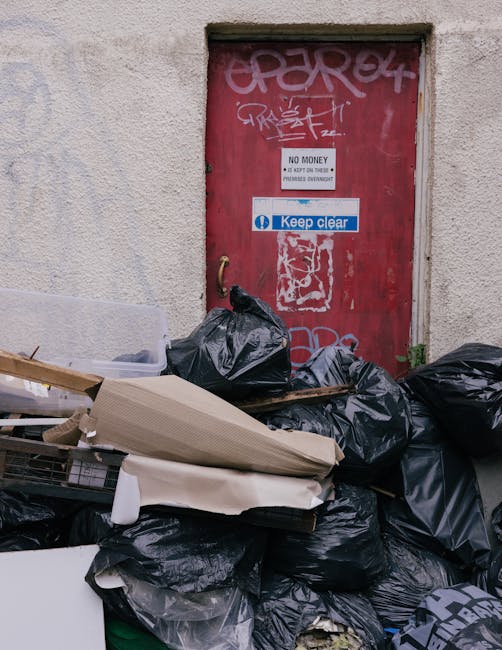
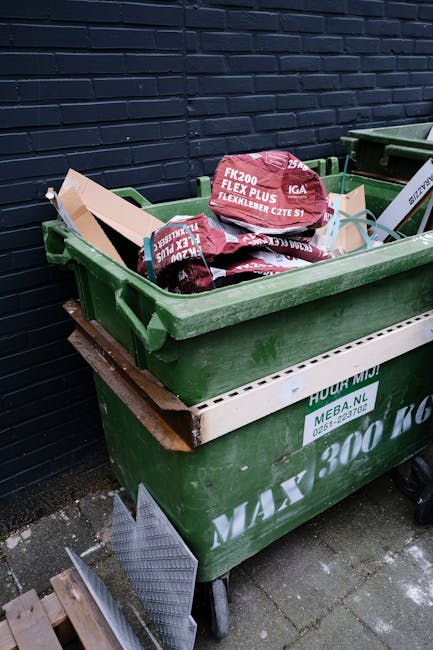
Commercial Waste Removal in Fitzrovia
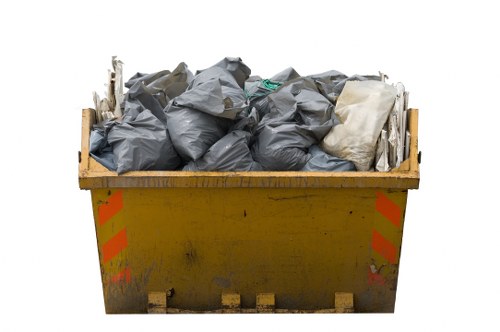
Commercial waste removal in Fitzrovia should be practical, tidy and suited to the pace of a busy central London district. We provide a straightforward service for businesses that need waste taken away without disrupting day-to-day work, whether that means recurring office waste, one-off clearance after a refit or the removal of bulky items that ordinary collections cannot handle. The emphasis is on sensible sorting, reliable uplift and keeping disposal paperwork and timing clear.
For offices, studios, clinics, shops and hospitality premises, the work often needs a flexible approach rather than a single standard collection. Our business waste removal service is designed for mixed commercial waste streams, and it can be used for items such as packaging, unwanted furniture, redundant filing, broken fixtures and general rubbish that has built up after a move or fit-out. The aim is to keep collections organised, so your premises remain usable while waste is being cleared.
When a premises has furniture, appliances or other heavier items to move, it helps to match the service to the material rather than forcing everything into one category. That is why we also offer focused disposal options for furniture and large items, along with wider waste removal where several material types need to be handled together. Commercial waste removal in Fitzrovia works best when the right loading plan, access route and disposal route are considered from the outset.
Waste removal for offices, studios and shared workspaces
Commercial premises in Fitzrovia often generate waste that is different from household rubbish. Desks, shelving, display units, archive boxes, redundant IT peripherals and broken reception furniture can all need attention at the same time. A good clearance plan looks at the type of waste, how much needs removing and whether any items should be separated for recycling, so the collection is efficient and the materials are managed correctly.
We can help with day-to-day commercial waste removal as well as larger office clearances where several areas need to be emptied in sequence. Some businesses only need a few items taken away after an internal change; others need a fuller removal of furniture and miscellaneous waste before a refurbishment, relocation or landlord handover. In both cases, the work benefits from a clear scope so the correct vehicle, labour and disposal method are arranged.
For businesses with regular waste needs, it is often useful to keep a simple record of what usually builds up most quickly. That might include cardboard, shrink wrap, packaging from deliveries, obsolete stock, broken chairs or small electricals. When the removal is planned around the actual waste mix, it is easier to separate reusable or recyclable materials from general rubbish and keep the overall load as efficient as possible.
Clearance for furniture, fixtures and bulky commercial items

Commercial furniture removal is often requested when workspaces are being reconfigured, vacated or refreshed. Desks, pedestals, filing cabinets, shelving, conference tables and waiting-room seating all take more effort to handle than ordinary waste, especially when access is tight or items need dismantling before they can be moved. We provide furniture clearance and furniture disposal options for commercial sites that need those bulky items taken away in a planned way.
The right approach depends on the condition, size and location of the items. Some furniture can be lifted out intact, while other pieces need to be taken apart for safe removal through narrow corridors, stairways or shared entrances. Where it is useful, we can combine furniture clearance with general waste removal so that packaging, loose rubbish and broken components are dealt with in the same visit. That can be a practical choice when a room needs to be emptied rather than just tidied.
If your premises include reception areas, meeting rooms or back-office storage, it is worth separating what still has a use from what is destined for disposal. Furniture clearance is particularly relevant when multiple pieces need moving together, while the associated disposal process may include items that are no longer serviceable. A measured approach keeps the clearance orderly and reduces the risk of last-minute surprises.
Handling mixed waste after changes, moves or refurbishments
Many commercial clearances are mixed jobs rather than single-material removals. A shop refit may create old shelving, packaging, offcuts and damaged stock; an office move may leave behind chairs, filing units, paper waste and redundant IT items; a hospitality site may need a blend of front-of-house furniture, cardboard and broken fixtures removed at the end of a project. Our waste removal service is suited to these varied loads when items need sorting and uplift together.
Where waste comes from a refit or strip-out, access and load shape matter as much as volume. Heavy items may need two-person handling, while light but bulky materials such as packaging or dismantled display pieces may fill the vehicle before they look full on the premises. A useful plan considers how the waste is stored, whether it is stacked safely and whether any items need separating before loading. This makes the removal more orderly and less disruptive to the business.
For jobs that are part clearance and part disposal, the practical question is often how to group the material so it can be dealt with in the fewest sensible moves. Waste removal covers that broader requirement, while the work itself may be supported by more specific services for furniture, business waste or specialist items. When the categories are clear, the clearance usually runs more smoothly.
Office waste and confidential material
Office waste removal in Fitzrovia can involve more than general rubbish. Businesses may need old files, archive boxes, broken office equipment and surplus paperwork removed alongside ordinary waste. If confidential material is involved, it should be treated separately from simple rubbish, because the disposal process needs to suit the sensitivity of the contents as well as the physical item itself.
We also provide confidential shredding for businesses that want sensitive documents managed in a more controlled way. That can be useful when records are being cleared during an office move, an archive review or a policy-led document purge. The point is not only to remove the paper, but to do so in a way that supports proper handling of private business information before the material leaves the premises.
Where office waste is being reduced in stages, a combined plan can be helpful: general rubbish collected with other commercial waste, paperwork separated for shredding and bulky furniture removed through the appropriate clearance route. Confidential shredding is best used for the material that needs that extra level of care, while the remaining waste is handled under the wider removal arrangement.
About Fitzrovia
Fitzrovia sits in central London, roughly between Oxford Street and Euston Road, with boundaries that overlap parts of the City of Westminster and the London Borough of Camden. Its character has long been shaped by a dense mix of streets, terraces and smaller squares rather than a single grand plan. The area developed strongly in the eighteenth and nineteenth centuries, leaving a patchwork of Georgian and later buildings alongside modern offices, hotels and institutional premises. Charlotte Street, Goodge Street and Tottenham Court Road are among the better-known thoroughfares, while streets such as Riding House Street and Wells Street contribute to the district’s layered urban feel. The neighbourhood also carries a strong cultural history. In the twentieth century it became associated with artists, writers and journalists, and its name is often linked to the Fitzroy Tavern, which reflects the area’s bohemian reputation. Today the district remains busy and mixed in use, with food venues, workspaces, residential blocks and specialist shops standing close together. Nearby green space includes Regent’s Park to the north-west and smaller pocket gardens within walking distance, while the wider streets connect easily towards the West End and Bloomsbury. This combination of historic fabric, commercial activity and central connectivity gives Fitzrovia a distinctive place in inner London, with a street pattern that still rewards careful attention to access, loading and movement.
Furniture disposal and recycling-minded clearance

When furniture reaches the end of its working life, disposal should be handled with the item’s material and condition in mind. Office chairs, meeting tables, counters and storage units often contain a mix of wood, metal, plastic and fabric, so they are not always suited to a simple one-bin approach. Furniture disposal is more effective when the items are assessed for dismantling, recycling or direct removal, depending on what they are made from and how they are fixed together.
Our furniture disposal service can sit alongside broader clearance work where a premises is being emptied. That is useful if a business has a few large pieces left after a refurb, or if unwanted furniture has been stored in back rooms and no longer has a place on site. The process may also include sorting out items that are damaged beyond reuse from those that simply need moving out before new fittings arrive. A careful approach helps keep the workspace cleaner and less cluttered while the waste is being taken away.
For items that are awkward to carry or large enough to block corridors, it is usually better to plan the removal route before loading begins. Furniture disposal is relevant when the aim is not just to shift items, but to make sure they leave the premises efficiently and in the right disposal stream. That can be especially helpful in commercial buildings with shared access or limited lift space.
What commercial clients often need to organise
Before a collection, a business usually benefits from a short practical review of what has to go. That may include identifying any items that need to stay, checking whether cupboards or drawers still contain documents, and noting whether bulky objects will need to be dismantled. If waste is scattered across several rooms, the order of removal can matter as much as the amount being collected, because a clear route helps the work move steadily.
A few simple points often make the difference between a straightforward clearance and one that becomes awkward on the day:
- group similar materials where possible, such as cardboard, furniture and loose rubbish;
- clear access routes to doors, lifts and stairwells before loading starts;
- separate items that need special handling, such as confidential papers or appliances;
- note any restrictions on parking, loading bays or shared entrances;
- identify anything that should be retained, reused or passed to another team member.
When those details are known in advance, the collection can be arranged more accurately. Good preparation does not need to be complicated; it just needs to be clear enough that the right removal method is chosen for the waste you actually have, rather than for a generic assumption about the premises.
Garden, loft and garage clearances for commercial premises
Some business properties also build up waste in outside or storage areas. A ground-floor office with a small yard may have broken planters, turf bags or discarded outdoor furniture to remove. A premises with roof storage or a back garage can end up holding old stock, archive boxes, promotional materials or obsolete equipment that has been left there for too long. In those cases, a more targeted clearance can be useful before the material spreads into working areas.
We offer garden clearance, loft clearance and garage clearance services that can support those commercial spaces where storage has become crowded. These services are helpful when the waste is awkwardly placed, mixed with useful items or spread over a limited access area. They are also practical when a landlord, managing agent or business owner wants to tidy a secondary space before the next operational change or inspection.
If the material includes a mix of outdoor waste and general rubbish, it can make sense to combine the job with a broader removal. Garage clearance is one example of a more specific option, but the same principle applies to lofts and garden areas: the right service depends on where the waste is stored, how it can be reached and whether the items are being removed as a one-off or as part of a wider commercial clean-up.
Pricing factors and quote preparation
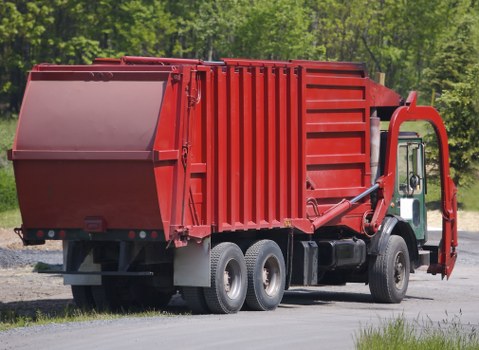
Commercial waste removal costs are usually shaped by practical factors rather than a fixed one-size-fits-all formula. The main points are the type of waste, the amount to be removed, how easy it is to reach, and whether the load includes heavy, bulky or specialist items. A simple office clear-out with light mixed waste may be straightforward, while a clearance involving furniture, files and dismantling work will usually take more planning and handling.
It also helps to consider whether the job is a single collection or part of a staged project. A one-off removal after an office refresh may be simpler than a series of clearances during a phased move. If you are gathering information for a quotation, it is useful to know which rooms are involved, what kind of material is present and whether any access constraints apply. That allows the work to be matched more accurately to the actual site conditions.
If you are ready to compare the work involved, take a moment to review the likely scope and then pricing and quotes for a clearer picture of how the service is put together. For a quicker start, gather the main waste types, note the amount of space they occupy and identify anything that should be handled separately. Request a quotation when you are ready and we can help turn the list into a practical removal plan.
Appliances, specialist items and responsible disposal choices
Commercial sites sometimes need more than standard rubbish clearance. Fridges, under-counter appliances, electrical equipment and mixed hard materials can all require attention when a premises is being reorganised or emptied. These items may be bulky, awkward to carry or unsuitable for ordinary waste handling, so it is better to choose a service that matches the item type rather than treating everything as general rubbish.
We also handle appliance removal and related specialist disposal through appropriate service routes. Where a job includes both furniture and appliances, the removal can often be combined so the site is cleared without multiple separate visits. The practical advantage is that you can deal with several categories of waste together while still keeping the material organised for correct onward handling. That is often the simplest way to clear back rooms, kitchens, staff areas or storage spaces in commercial buildings.
For businesses that prefer to keep their waste handling methodical, it can help to think in categories: loose rubbish, bulky furniture, appliances, paperwork and any items that need special handling. Fridge and appliance removal suits the colder and heavier items that cannot simply be placed with ordinary waste, while the rest of the site can be cleared through the wider commercial removal plan.
Booking the right commercial clearance
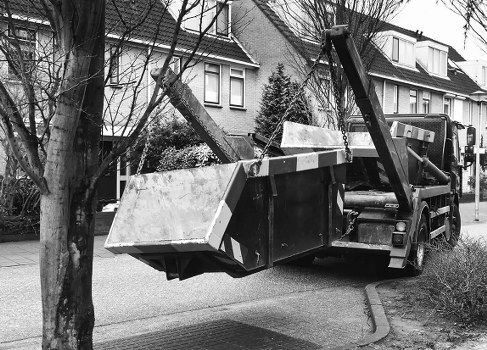
Commercial waste removal works best when the booking matches the actual job rather than a vague idea of what needs shifting. The clearer the breakdown of waste, access and location, the easier it is to arrange a collection that fits the site. That is especially true in Fitzrovia, where premises can range from compact upper-floor offices to larger mixed-use buildings, and where loading access may be more limited than in suburban settings.
For businesses that want to keep the process simple, a concise summary of the waste, the room layout and any items that need special handling is usually enough to begin. If the job includes paper records, bulky furniture, mixed commercial rubbish or specialist items, those details can be grouped into the relevant service categories before collection. A clear summary helps the removal stay efficient and reduces the chance of unnecessary back-and-forth.
When you are ready to move forward, use the service page details that best fit your waste type, then ask for a quotation in the way that suits you. You can also choose a broader clearance route if several kinds of waste need handling together. Take the next step and request a quotation for commercial waste removal in Fitzrovia when you want a practical plan for clearing your premises.