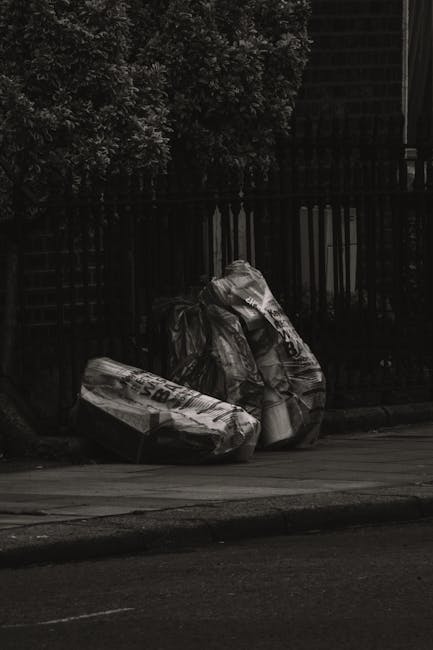
What to know about last minute rubbish collection in Fitzrovia

If you have boxes in the hallway, a broken wardrobe by the front door, or a flat that needs clearing before a handover, what to know about last minute rubbish collection in Fitzrovia is mostly about speed, planning, and not making a messy situation worse. Fitzrovia has its own rhythm: busy streets, tight access, shared entrances, parking that can disappear in a blink, and neighbours who will notice if you leave bulky waste sitting around too long. That is the reality. The good news? A good last minute collection can still be straightforward if you know what to expect.
This guide walks through how urgent rubbish removal works in Fitzrovia, who it helps, what to prepare, where people go wrong, and how to make a quick booking feel calm rather than frantic. We will keep it practical. No fluff, no mysterious jargon, just the kind of advice that saves time on the day.
Why What to know about last minute rubbish collection in Fitzrovia Matters
Urgent rubbish removal sounds simple until you are standing in a narrow stairwell with a dismantled bed frame and nowhere to put it. Fitzrovia is one of those central London areas where a delay can snowball quickly. Flats are compact, access can be awkward, and waste has a habit of making the place feel smaller than it already is. That is why last minute collection matters: it helps you regain control fast.
There is also the practical side. A rushed move, a post-renovation clear-out, a last-minute office refresh, or even a forgotten load of bulky waste can all create pressure that standard schedules do not solve. You may not have the luxury of waiting days for a slot. Sometimes you need the stuff gone today, or at least very soon.
Truth be told, the stress is often not the waste itself. It is the uncertainty. Will they arrive on time? Can they handle stairs? Will they take mixed items? Do you need to sort anything first? When these questions are answered early, the whole job gets lighter. Literally and mentally.
In Fitzrovia, urgency also has a neighbourly dimension. Bags left in hallways or piled near entrances can become a fire-safety issue, obstruct shared access, or simply create friction in blocks where people value tidiness and routine. A quick, professional collection reduces that risk and keeps things civil. And let's face it, nobody wants to be the flat that caused the hallway drama.
How What to know about last minute rubbish collection in Fitzrovia Works
Last minute rubbish collection usually follows a very simple pattern: you describe what needs removing, share the access details, agree the collection window, and the team comes prepared with the right vehicle, labour, and disposal plan. The speed comes from preparation and local familiarity more than from magic.
For a Fitzrovia job, a reliable provider will often ask for:
- the type of waste, such as household junk, office furniture, builders waste, or mixed bulky items
- rough volume, like a few bin bags, a roomful of items, or several larger pieces
- access details, including stairs, lifts, loading restrictions, and parking limits
- timing, especially if you need same-day or next-day collection
- any special handling needs, such as heavy lifting or fragile items
That initial conversation matters more than people think. A sofa on the ground floor is a different task from a sofa on the fifth floor with a narrow staircase and no lift. A box of old files is different from mixed renovation debris. The more accurately you describe the job, the less chance of awkward delays when the team arrives.
In many cases, you will get a quote before the visit or after a quick assessment on arrival. For urgent jobs, the price often reflects the speed, the labour needed, and how easy the waste is to remove and process. If access is tricky, be upfront. Guessing wrong tends to cost time, and time is exactly what you do not have.
Some jobs can be done in under an hour. Others need a bit more coordination. You might hear terms like man and van clearance, which simply means a small crew arrives with a vehicle sized for flexible removals. That can be ideal in central London where a full skip is not practical.
Key Benefits and Practical Advantages
The biggest benefit is obvious: speed. But there is more to it than that. Last minute rubbish collection can give you breathing space at the exact moment you need it most.
- Fast space recovery: Rooms feel usable again almost immediately, which is especially helpful in smaller Fitzrovia flats.
- Less disruption: A quick collection avoids dragging the mess over several days.
- Better for tight access: Many central London properties are easier to clear with a crew than with a self-managed disposal run.
- Reduced stress: You do not have to coordinate multiple trips to a disposal site, which is a relief if your week is already packed.
- Useful for mixed loads: Urgent jobs often involve a bit of everything, from furniture to bags to packaging.
- Safer handling: Heavy or awkward items are less likely to cause damage when moved by people who do this work regularly.
There is also the hidden benefit of momentum. Once one cluttered area is cleared, the rest of the task feels possible. That sounds small, but on a busy day it really matters. You will notice it the moment the first pile goes.
For landlords, agents, and business managers, speed can protect turnover schedules and reduce complaints. For homeowners or tenants, it can make a checkout, move, or tidy-up feel achievable rather than overwhelming. Not glamorous, no, but very effective.
Who This Is For and When It Makes Sense
Last minute rubbish collection in Fitzrovia is not just for emergencies. It is for anyone whose timing has collapsed into a narrow window. That happens more often than people admit.
This service usually makes sense for:
- tenants moving out who need leftover items gone before inventory or handover
- landlords and letting agents managing end-of-tenancy clearances
- office teams clearing desks, chairs, monitors, and archived clutter before a move or refit
- homeowners who want bulky waste removed after a delivery, upgrade, or last-minute declutter
- builders and tradespeople who have debris to shift quickly after a small project
- busy residents who simply do not have time to wait around for a slower slot
A common Fitzrovia scenario goes like this: someone orders a new sofa, realises the old one is blocking half the room, and suddenly the hallway looks like a storage unit. Another one is the office move that runs smoothly until the last pile of shredded boxes, broken shelving, and old peripherals appears on the day before the final lease inspection. It is always the "small" stuff that becomes urgent, isn't it?
If your waste includes ordinary household items, furniture, or general office clutter, urgent collection is usually very workable. If you have hazardous items or specialist disposal needs, the job can still be handled, but it needs clearer planning. That is where asking the right questions early saves a headache later.
Step-by-Step Guidance
If you want a smooth last minute collection, keep the process simple and structured. Here is a practical way to handle it.
- List everything that needs removing. Walk through the property and make a quick inventory. Do not rely on memory. You will forget the awkward chair in the corner.
- Separate ordinary waste from special items. Put aside anything that may need separate handling, such as fridges, paint, screens, or confidential paperwork.
- Estimate volume honestly. A "few items" can become half a van. Be realistic, even if the pile is embarrassing.
- Check access. Note stairs, narrow corridors, lift restrictions, parking limitations, and any time windows for loading.
- Prepare the items where possible. Bag loose rubbish, unplug appliances, remove small contents from drawers, and make large items easy to lift.
- Confirm timing and arrival expectations. If you need a tight window, say so clearly. Same-day jobs are all about clear communication.
- Ask what happens after collection. Good providers should be able to explain how items are sorted, recycled, reused, or disposed of.
- Keep the route clear. Hallways, doorways, and building entrances should be easy to access on the day.
A small tip that saves a lot of grief: take photos of the pile before booking. It helps with quoting, and it also avoids the "that's more than I thought" moment when the team arrives. We have all had one of those moments, if we are honest.
If you are sharing a building, let neighbours or reception know if bulky items need to move through common areas. A five-minute heads-up can prevent twenty minutes of awkwardness.
Expert Tips for Better Results
Over time, the jobs that go smoothly tend to share the same habits. Nothing fancy. Just sensible prep.
1. Be precise about item types
"Waste" is too broad. Say whether you have furniture, cardboard, mixed bags, office equipment, or building debris. Different item types affect labour, transport, and disposal routes.
2. Mention awkward access early
If there is a narrow staircase, limited parking, or a lift that is out of service, say so before booking. An honest description is better than a polished one. It keeps the collection realistic.
3. Group items by room or category
This is one of those small jobs that pays off. Grouping similar items makes loading quicker and reduces the chance of missed pieces hiding behind a radiator or under a table. That odd sock may survive, but the broken shelf should not.
4. Keep valuables and documents separate
If you are clearing an office or a home office, remove passports, contracts, bank letters, client files, and anything confidential before the team arrives. Do not assume a mixed clearance means mixed handling. It should not.
5. Ask about recycling and reuse
Not everything needs to go straight to disposal. Furniture, metal, cardboard, and some electrical items may be separated for recycling or reuse where appropriate. If sustainability matters to you, raise it.
6. Leave a little buffer time
Same-day does not always mean instant. In central London, traffic, access, and parking can all introduce small delays. A 30-minute buffer can keep your day calmer. Small mercy, really.
One more practical point: if you need a collection around the end of the day, try to avoid waiting until the last minute to prepare the space. When everyone is rushing, a clear route and tidy pile make a surprising difference.
Common Mistakes to Avoid
Urgent rubbish removal is where people tend to trip over the basics. Usually, it is not because they do anything wild. It is because they assume the job is simpler than it is.
- Underestimating the volume: A pile that looks small in a corner can become a serious load once it is moved.
- Forgetting access issues: No lift, tricky parking, or a narrow corridor can change the whole plan.
- Mixing in restricted items without warning: Some items need special handling, so tell the provider early.
- Leaving the booking until the last possible hour: The later you call, the fewer options you may have for timing.
- Not preparing the space: If rubbish is scattered everywhere, loading takes longer than necessary.
- Assuming everything can be taken in one go: Heavy, unusual, or regulated items may need separate arrangements.
- Ignoring building rules: Some blocks have loading rules, lift protection requirements, or quiet periods.
Another common mistake is talking only about the "easy" items and forgetting the awkward extras. A sofa and three bags sounds manageable. Add a mattress, a desk, a broken printer, and a stack of boxed stuff, and the picture changes fast. Better to over-explain a bit than to leave the crew guessing.
Tools, Resources and Recommendations
You do not need much to prepare for a last minute clearance, but a few simple tools help enormously.
- Bin bags and boxes: Useful for sorting loose rubbish and smaller items.
- Marker pen: Handy for labelling what stays and what goes, especially in office or storage clearances.
- Phone camera: Photos make quoting and planning easier.
- Gloves and basic cleaning cloths: Good for tidying surfaces before and after the collection.
- Notebook or phone checklist: Keeps the task from turning into a half-remembered scramble.
If you want to understand what can be removed in a van-based clearance, a useful starting point is the site's guidance on what can go in a skip. It is not exactly the same as a collection service, of course, but it helps you think clearly about item types and what may need separate handling.
For common bulky household items, the pages on furniture clearance, furniture disposal, and mattress and sofa disposal can be useful when your "quick clean-up" has turned into a three-piece sofa situation.
If the job is more work-related, office clearance and business waste removal are the pages to review. For builders debris and renovation leftovers, builders waste clearance is a sensible match.
And if you are the sort of person who likes to compare options before making a call, the site's pricing and quotes page is a practical place to start. A clear quote is much nicer than a vague promise, frankly.
Law, Compliance, Standards, or Best Practice
With rubbish removal, compliance is less about buzzwords and more about doing things properly. In the UK, waste should be handled by people and businesses that operate responsibly, with items sorted, transported, and disposed of in line with accepted practice. You do not need to become a legal expert to book a collection, but it helps to know what good looks like.
Best practice usually includes:
- clear identification of what is being removed
- careful handling of items that may need special treatment
- safe lifting and transport methods
- attention to fire exits, hallways, and shared spaces
- appropriate segregation for reusable or recyclable materials where practical
If your clearance includes confidential papers, it is sensible to use a dedicated shredding or secure disposal process rather than mixing them into general rubbish. The same goes for items that may be hazardous or contain sensitive components. Do not just toss it all together and hope for the best. That approach usually ages badly.
There are also practical building considerations. In blocks with shared access, property managers may have rules about loading, lift use, or protecting communal areas. For offices, there may be internal policies around data handling, end-of-lease clearance, and safe disposal of equipment. None of that is glamorous, but it is exactly the kind of detail that prevents problems later.
When choosing a provider, it is reasonable to ask how they approach safety, insurance, recycling, and disposal. The site's insurance and safety page and health and safety policy are worth reviewing if you want a better feel for those standards. That kind of transparency should be normal, not a bonus.
Options, Methods, or Comparison Table
If you are deciding how to handle a last minute clear-out, you usually have three main options. Each one suits a different kind of mess.
| Method | Best for | Advantages | Limitations |
|---|---|---|---|
| Last minute rubbish collection | Urgent, mixed, bulky, or awkward waste | Fast, flexible, minimal disruption | May cost more than a planned booking |
| Skip hire | Longer projects with steady waste output | Good for ongoing work, simple loading | Needs space, permits, and time |
| Self-haul to a disposal site | Small loads and flexible schedules | Can be lower cost if you have transport | Time-consuming, labour-heavy, not ideal for bulky items |
For Fitzrovia specifically, the van-based collection option often wins because space is tight and access can be awkward. Skip hire can still work for some jobs, but you need room, and sometimes that is exactly what you do not have. Self-haul is fine for a few bags if you have the vehicle and the energy. If not, it becomes a Saturday you will remember for the wrong reasons.
There is no single best method for everyone. The best choice is the one that fits the volume, the access, and the deadline.
Case Study or Real-World Example
Here is a realistic Fitzrovia-style scenario.
A small two-bedroom flat near the centre needed clearing after a sudden move date changed. The residents had one day to remove an old wardrobe, a bed base, several bin bags, a broken desk, and a stack of cardboard from new furniture deliveries. The hallway was tight, the lift was shared, and the loading space outside was limited. Not exactly ideal.
Instead of trying to solve it with multiple car trips, they listed every item, took a few photos, and grouped everything by room. They also checked what needed to be kept out of the clearance, which turned out to be more important than they expected. The collection was booked as a last minute job with access details shared upfront.
On the day, the crew knew what to expect, brought enough labour, and worked methodically from the most awkward item outward. The job took less time than the residents feared because the space had been prepared properly. No heroics. Just good coordination.
The useful lesson? Urgent collection goes much better when the property is ready before anyone arrives. The service provides the speed, but the customer provides the clarity. That little partnership makes a real difference.
Practical Checklist
Use this checklist before your collection window opens.
- List all items that need removing
- Separate any valuables, documents, or keep items
- Identify special waste or awkward items in advance
- Take quick photos of the load if possible
- Measure anything unusually large
- Check stair access, lift size, and doorway width
- Confirm parking or loading restrictions
- Bag loose waste and make pathways clear
- Notify building management if needed
- Ask how recycling, reuse, or disposal will be handled
- Keep your phone nearby for arrival updates
- Do a final sweep before the crew starts loading
Expert summary: the fastest rubbish collection is rarely the one booked with the fewest details. It is the one where the waste type, access, timing, and expectations are all clear from the start. That is especially true in Fitzrovia, where tight access and busy streets leave very little room for guesswork.
Get a free quote today and see how much you can save.
Conclusion
What to know about last minute rubbish collection in Fitzrovia comes down to three things: be clear, be realistic, and be prepared enough to let the crew work quickly. If your job is urgent, the right provider should make the process feel organised rather than chaotic. That is the goal. Not perfection. Just a calm, efficient clear-out that gets your space back on side.
Whether you are dealing with a sudden move, a small office reset, or a bulky household clear-up, a little preparation goes a long way. Fitzrovia can be a tricky place to move waste around, but with the right approach it becomes manageable, even on a tight clock. And honestly, there is something deeply satisfying about watching a cluttered room become a normal room again. Quiet, clear, usable. That feeling matters.
Frequently Asked Questions
Can last minute rubbish collection in Fitzrovia really be arranged on the same day?
Often, yes, depending on availability, item type, and access. The earlier you contact a provider, the better the chance of getting a suitable slot. Same-day works best when the waste is described clearly and the collection point is easy to reach.
What kind of rubbish can usually be collected urgently?
Common urgent collections often include household junk, furniture, bags of mixed waste, office clutter, cardboard, and some bulky items. If you have specialist waste, such as hazardous materials or confidential documents, that needs to be flagged in advance.
Is urgent collection more expensive than a planned booking?
It can be, because the job may need faster scheduling and more flexible staffing. That said, the final cost also depends on volume, access, labour, and item type. A clear description often helps keep the quote accurate.
Do I need to sort the waste before the crew arrives?
Not always, but some sorting helps. Bagging loose waste, separating valuables, and identifying special items makes the collection quicker and reduces the chance of confusion. A little prep goes a long way.
What should I do if the items are heavy or awkward to carry?
Tell the provider before booking. Heavy furniture, appliances, and awkward items like wardrobes or mattresses may need extra labour or different handling. Do not leave that detail out, even if it feels obvious.
Can rubbish collection handle office clearances in Fitzrovia?
Yes, many urgent collections are well suited to offices clearing desks, chairs, packaging, and general equipment. If you also have confidential papers or electronic waste, say so early so they can be handled appropriately.
What if my building has no lift or limited access?
That is common in central London, so it is not a deal-breaker. You should mention stairs, narrow halls, loading restrictions, and any awkward access when you book. Honest access details help the crew plan properly.
Can the service take furniture and mixed household waste together?
Usually, yes. Mixed loads are common, especially for last minute clear-outs. Furniture, bags, boxes, and smaller items can often be taken together as long as nothing needs special handling.
How do I know a provider is handling waste responsibly?
Ask how items are sorted, recycled, reused, or disposed of, and check whether they discuss safety and insurance clearly. Good providers should be straightforward about their process. If the answers feel vague, that is worth paying attention to.
What is the best way to prepare for a fast collection?
Make a quick inventory, separate keep items from remove items, clear access routes, and share accurate photos or descriptions if asked. If you can do only one thing, make the route to the waste as simple as possible.
Is last minute rubbish collection suitable for landlords and letting agents?
Very much so. It is often useful for end-of-tenancy clearances, forgotten items, or preparing a property for new occupants. Speed matters in those situations, but so does neatness and clear communication.
What should I ask before I confirm the booking?
Ask about timing, access requirements, item restrictions, pricing structure, and how disposal is handled. If you are unsure whether something can be taken, say so before the crew arrives. It saves trouble later.
Can a last minute collection help after deliveries or renovations?
Yes. It is especially handy after flat-pack furniture deliveries, refurbishment work, or a sudden clear-out before guests or inspections. Those jobs often create more waste than people expect, and fast removal keeps the place feeling under control.
When the pressure is on, the best rubbish collection is the one that quietly fixes the problem and lets you get on with your day. That is the real value here, and it is surprisingly reassuring once the space is clear.